Sustainable Agriculture — Going Green — Helping Farmers

Following the “Commitment to Coordinate the Implementation of the Scheme for Developing Production and Use of Biological Plant Protection Products until 2030, with a Vision to 2050” between the Department of Crop Production and Plant Protection and Map Pacific Singapore Co., Ltd. In the 2025 Summer-Autumn crop, the company implemented a demonstration model in Thap Muoi District, Dong Thap Province, to evaluate the practical effectiveness of biological plant protection products on rice plants.
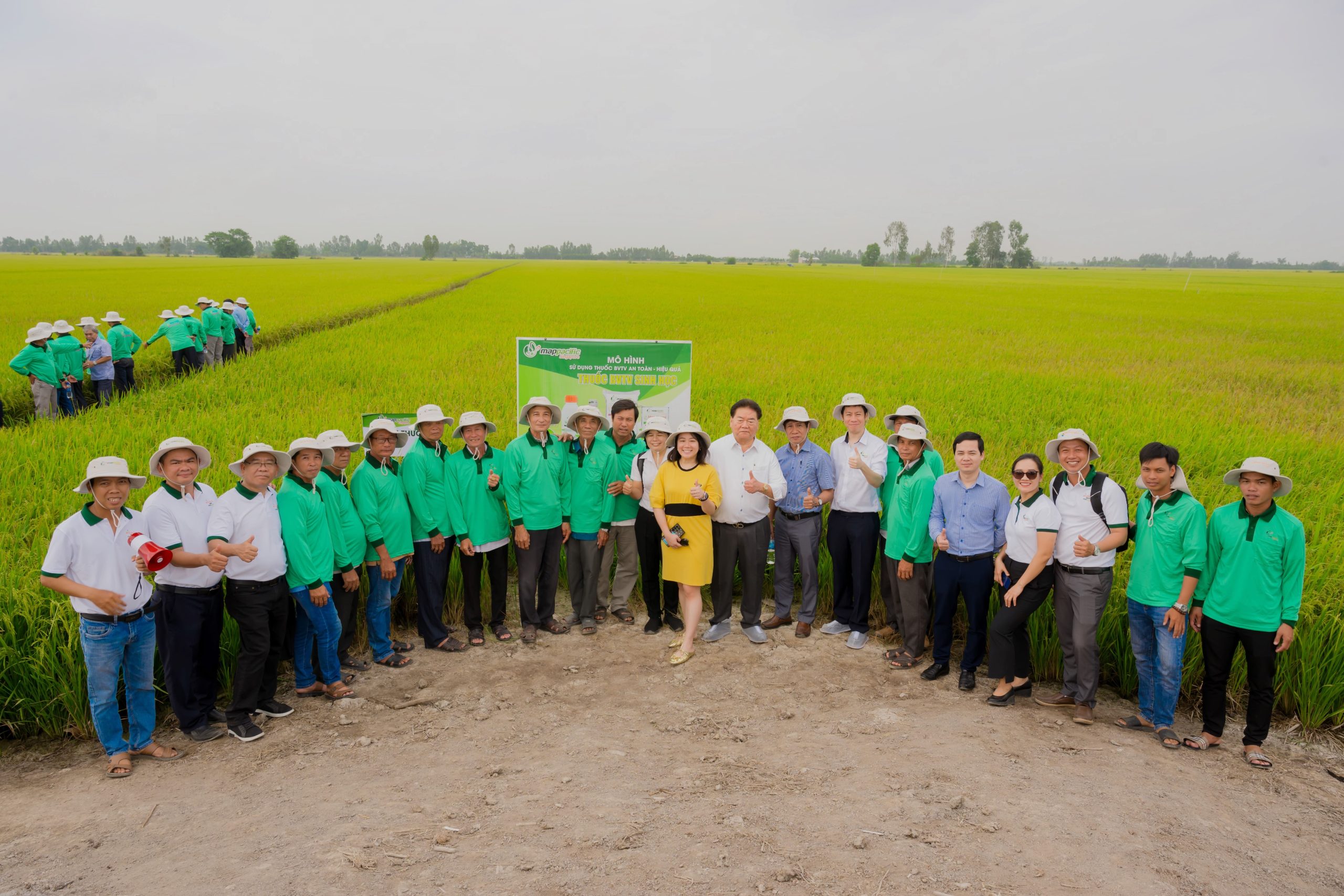
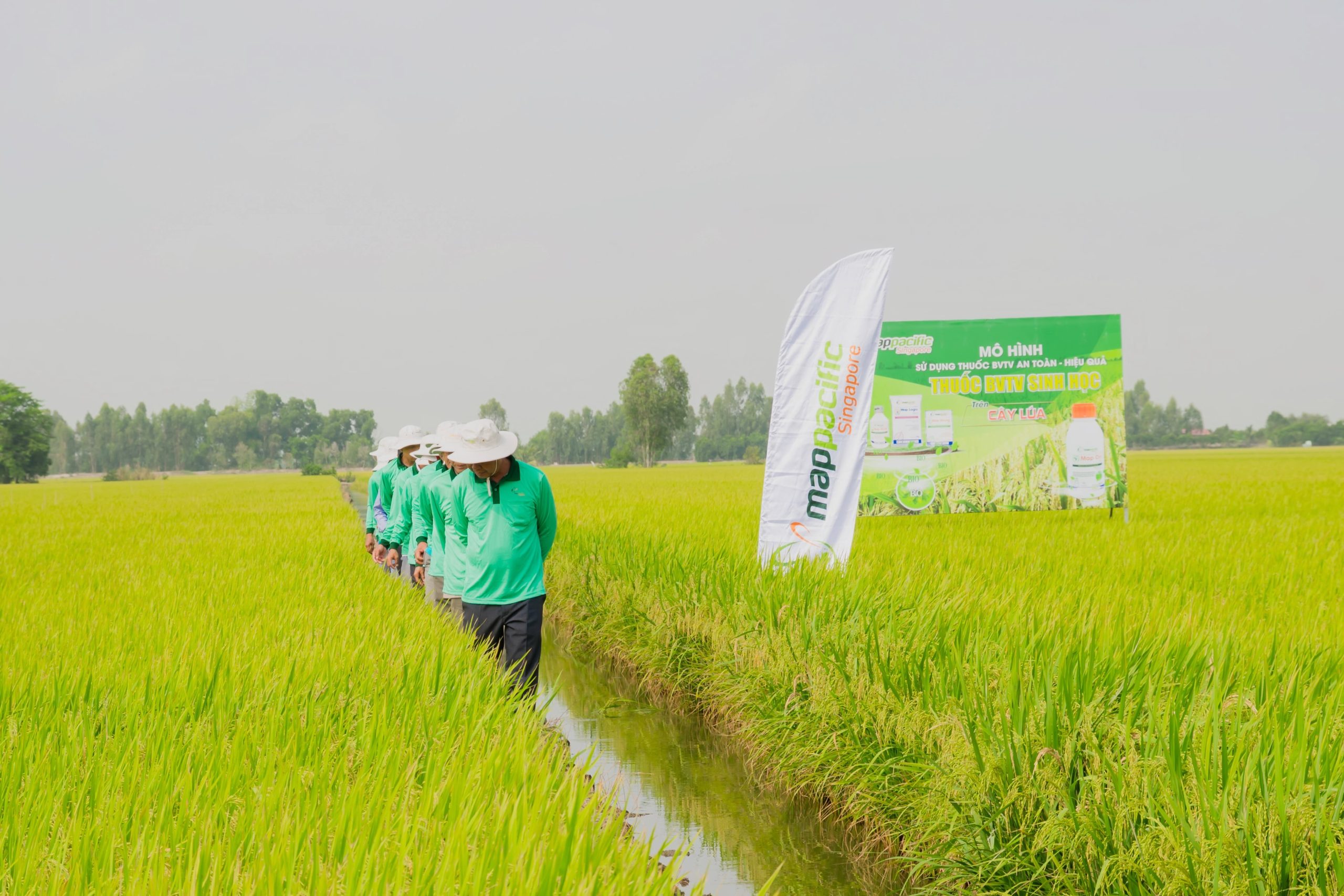
The model places heavy emphasis on soil health, sparse sowing, balanced fertilization, and regular field visits. Pest control solutions are only applied during truly necessary stages, prioritizing the use of organic and biological plant protection products in rice production. Managing bacterial leaf blight with Map Strong 3WP alternated with Map Oni 2SL provides both high efficiency and environmental friendliness. Nematode management using the biological solution Map Logic 90WP balances soil pH and adds minerals, helping the rice root system develop well.
Results show that the field using Map Pacific Singapore’s biological solutions yielded a profit nearly 10 million VND/ha higher than fields cultivated using conventional methods, under the same conditions of seed variety, sowing date, and weather.
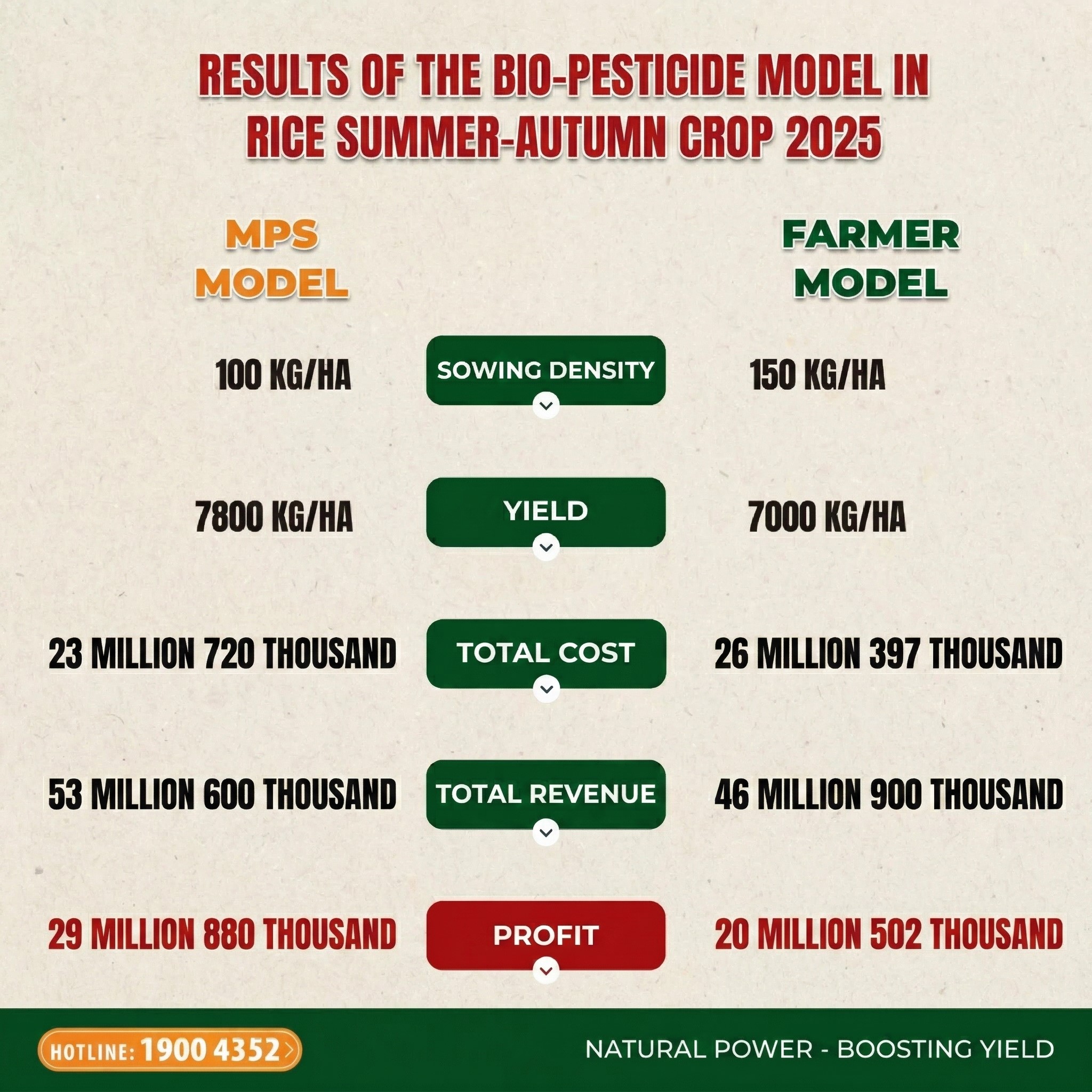
The impressive economic efficiency of the Dong Thap model is built on the foundation of comprehensive benefits provided by Map Pacific Singapore’s biological products:
Optimization of production costs:
Enhanced productivity and commercial value:
Ensuring safety and sustainable agricultural development:
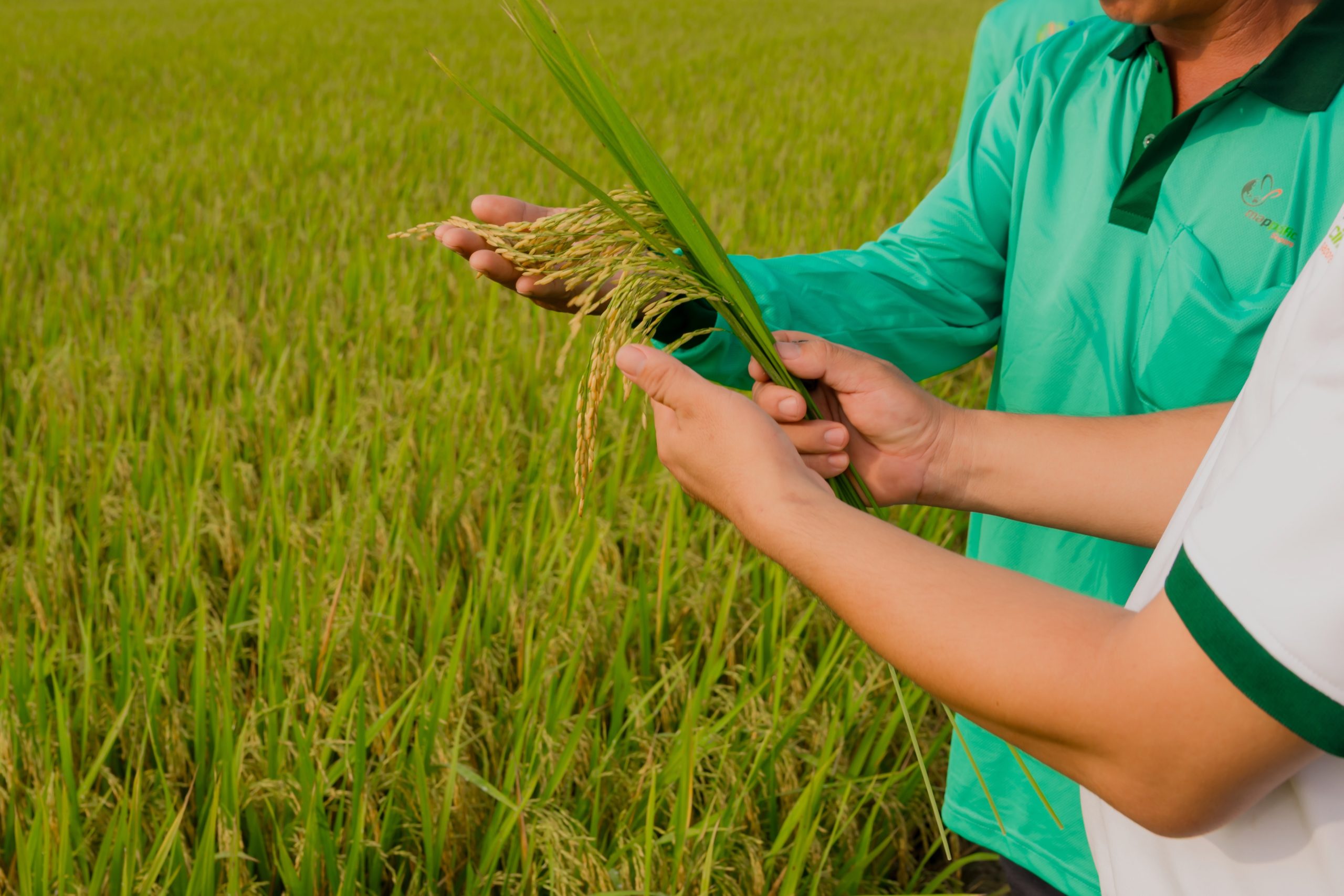
A special feature of the model is its implementation in a heavily alum-contaminated area in the Dong Thap Muoi region—where rice cultivation often faces many difficulties due to harsh weather and degraded soil. However, by applying biological plant protection protocols and appropriate technical measures, the rice in the model still grew vigorously with sturdy stalks, few pests, no lodging, and high yields. This proves the effectiveness and adaptability of Map Pacific Singapore products even in difficult lands, opening new prospects for farmers in areas with similar cultivation conditions.
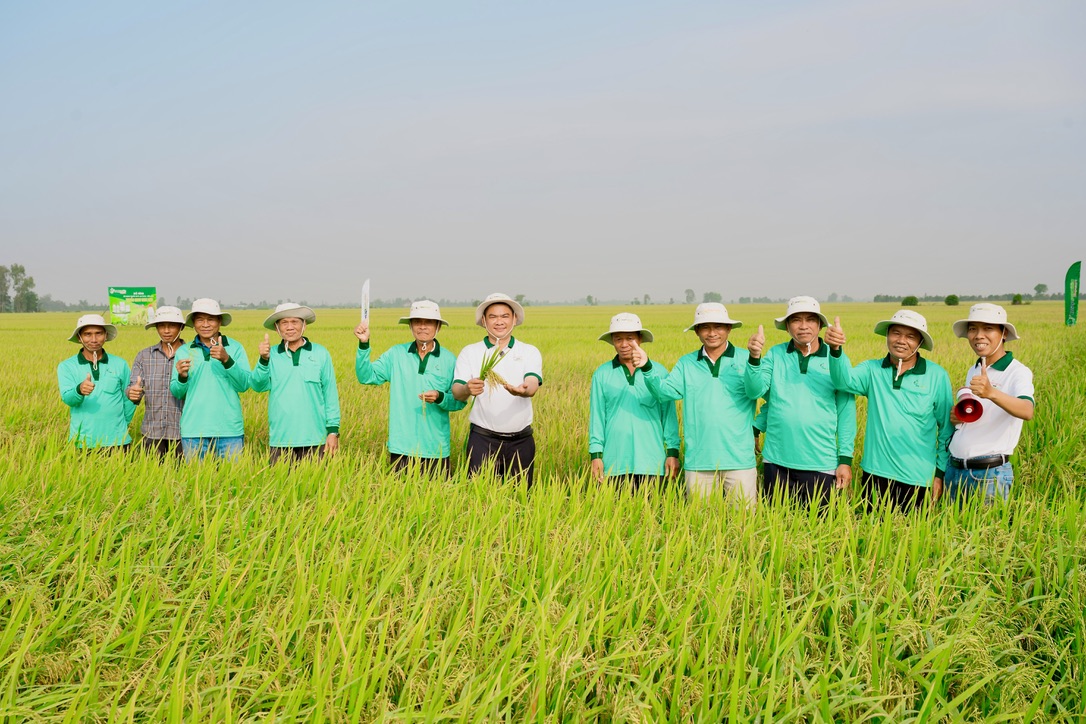
Directly visiting the model, Mr. Nguyen Van Khuyen, a farm owner from Tan Thanh District, Long An Province, shared: “After visiting the model, I see a clear difference. The rice in the model field using Map Pacific Singapore’s biological products heads uniformly, has firm grains, and the leaves are greener and more beautiful than the control field. Thanks to healthy plants, fertilizer amounts can be reduced while the rice still develops well, giving high yields and significantly lower costs.”
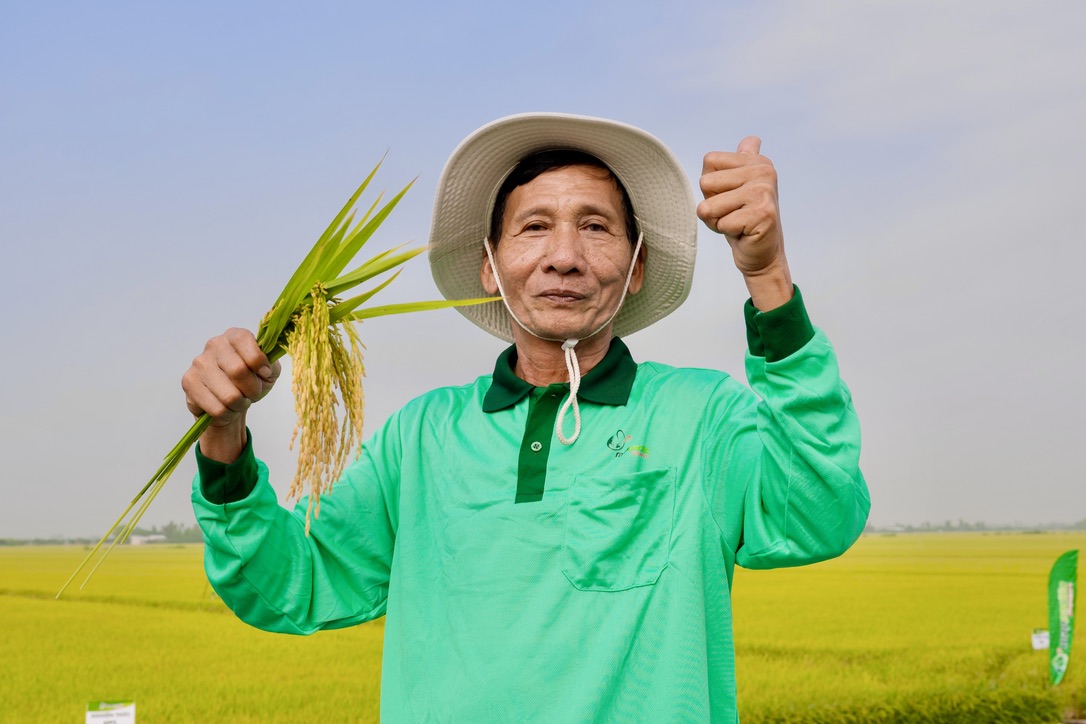
Mr. Tran Thanh Tam – Director of the Sub-Department of Crop Production and Plant Protection of Dong Thap Province, also highly appreciated the model’s effectiveness. According to him, the model helped farmers save about 2.6 million VND/ha, and the profit was also considerably higher than outside the model.
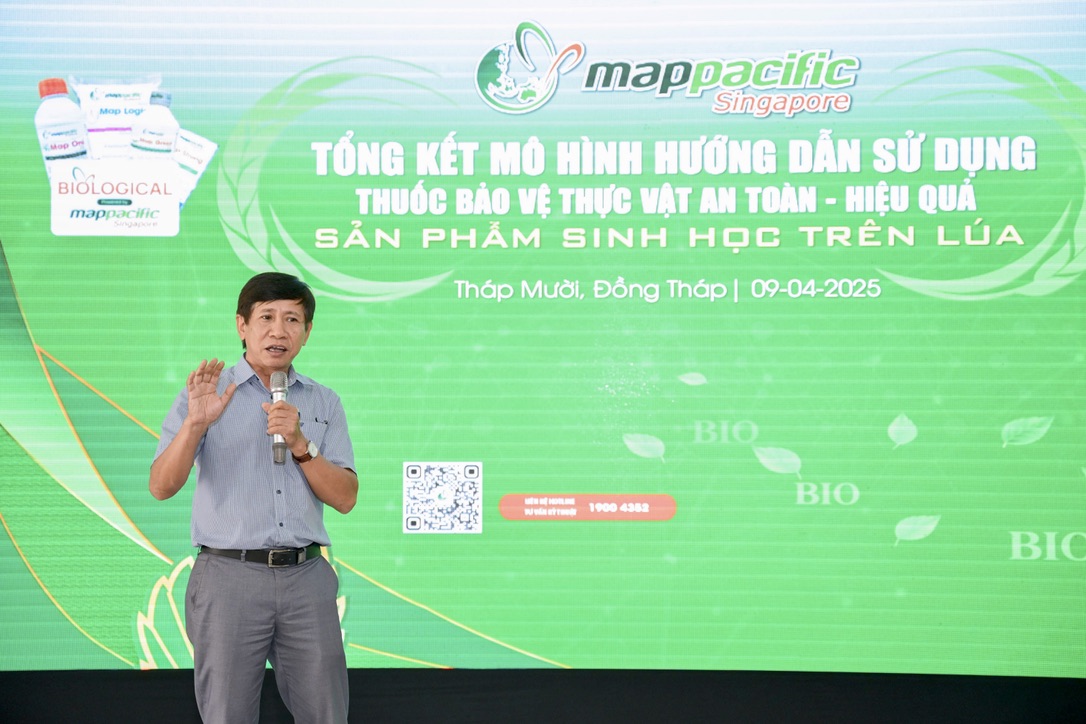
In the context of an agricultural market that is increasingly strict with safety and quality standards, transitioning to biological cultivation methods—especially the application of biological plant protection products—is an inevitable trend. The success of the model in Dong Thap has proven the feasibility and effectiveness of this direction, helping farmers increase profits, reduce costs, and protect public health.
Map Pacific Singapore encourages farmers to proactively learn about and apply biological plant protection products in cultivation to optimize profits, reduce production costs, and strive toward sustainable agriculture.
The year 2026 marks the 26th anniversary of Map Pacific… Read more
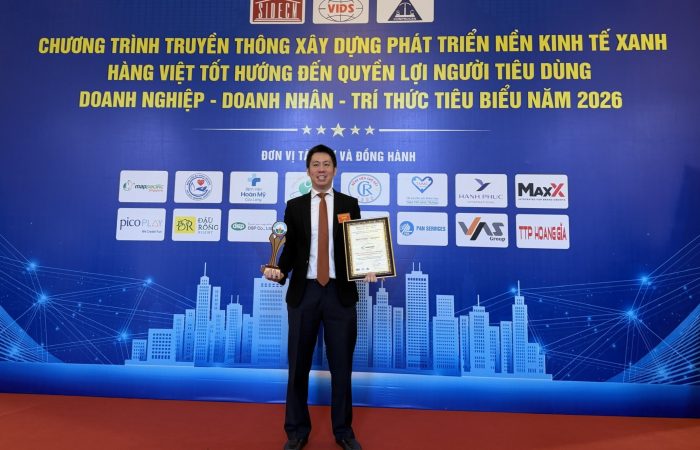
Hanoi, June 27, 2026 – MAP Pacific Singapore Co., Ltd.… Read more

Dear Valued Customers, Map Pacific Singapore would like to provide… Read more